Delhi’s public distribution system is about to look a lot less like a government office queue and a lot more like a food delivery app. The Delhi government is preparing to launch the Smart Public Distribution System (Smart-PDS), a move that will bring ration card services and foodgrain tracking online for the first time.
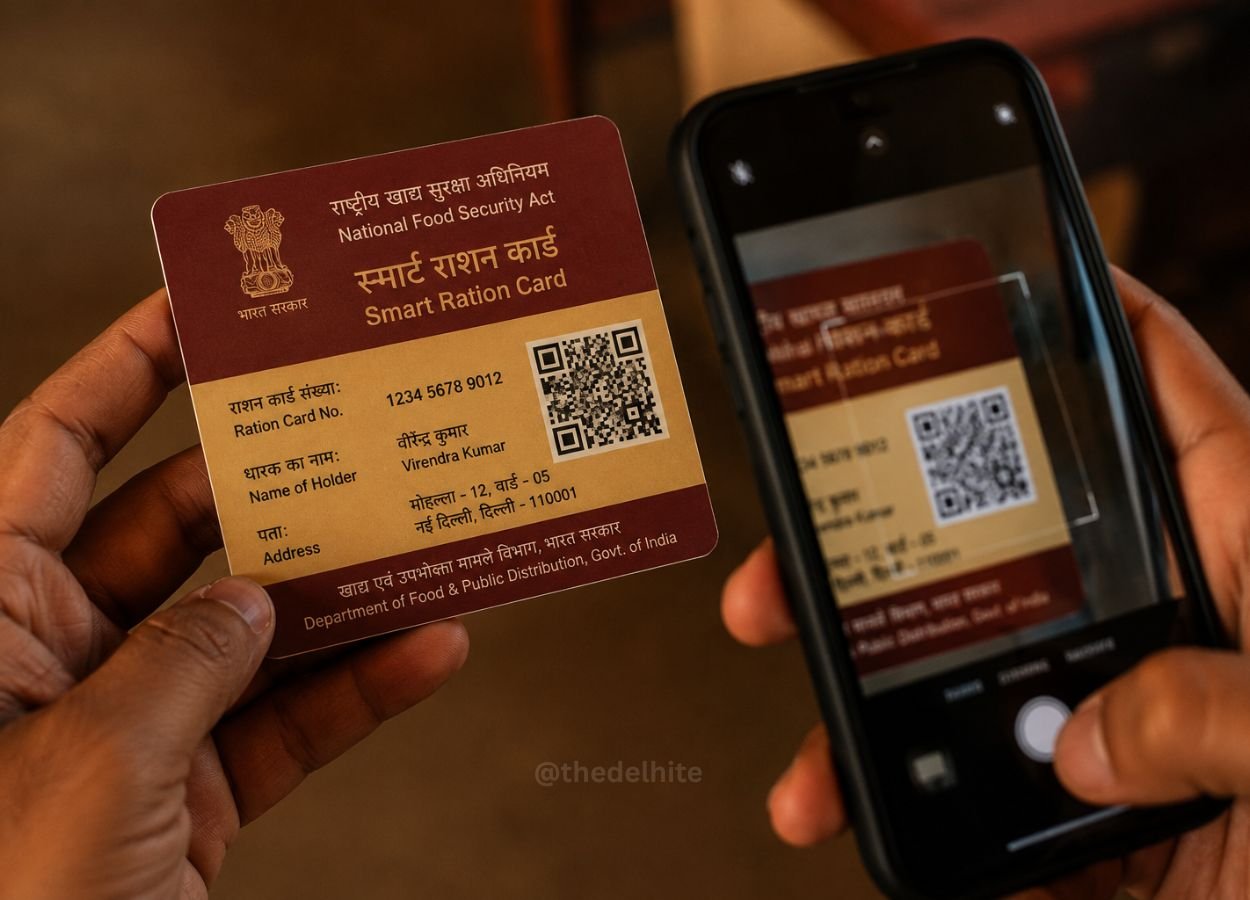
Under the new system, existing ration cards will be replaced with smart cards embedded with QR codes and digital verification features. For beneficiaries, this means an entirely new level of visibility into a process that has long felt like a black box. From now on, they’ll reportedly be able to see exactly when their ration has been dispatched, which Fair Price Shop it’s headed to, and roughly when it will be available for pickup — all from their phone.
Though convenience is a major part of it, that digitalisation shift is not just about it. Ration card holders now will be able to update their family details, upload the required documents, and can track their application status online, cutting down the need for repeated visits to the government offices. For a system that millions of Delhi households depend on, that alone could save a significant amount of time and hassle.
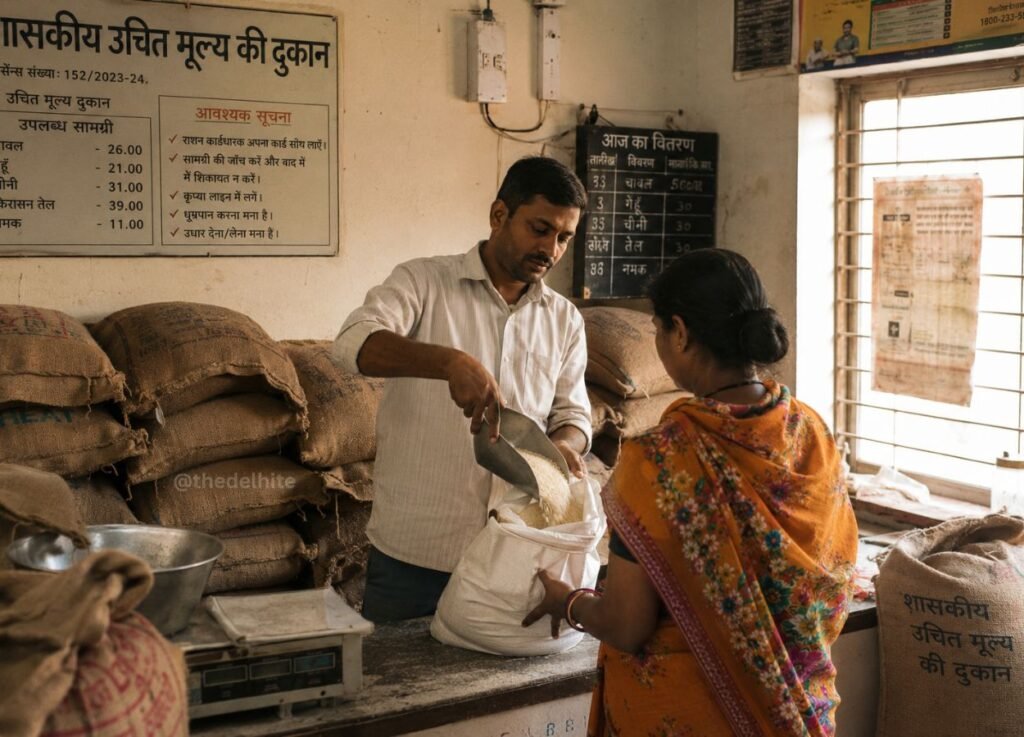
But officials say the real motivation runs deeper than user experience. Fake ration cards, duplicate entries, and diversion of subsidised grain into the black market have been persistent problems in India’s PDS network for years. The QR-coded smart cards are designed to make every card individually verifiable, making it far harder for fraudulent or duplicate entries to slip through.
Facial recognition as a backup authentication method is also trying to launch as another layer of security. This is particularly aimed at beneficiaries, often elderly citizens or manual labourers, whose fingerprints frequently fail to match during biometric verification, a common complaint that has led to genuine beneficiaries being turned away in the past.
Together, officials believe the combination of QR verification, digital record-keeping, and dual biometric authentication (fingerprint plus facial recognition) will tighten monitoring across Fair Price Shops while making the system more accessible for the people it’s meant to serve.
If implemented smoothly, Smart-PDS could mark one of the more meaningful tech-driven reforms to Delhi’s welfare infrastructure — provided the rollout accounts for the digital literacy gap that often trips up such initiatives on the ground.