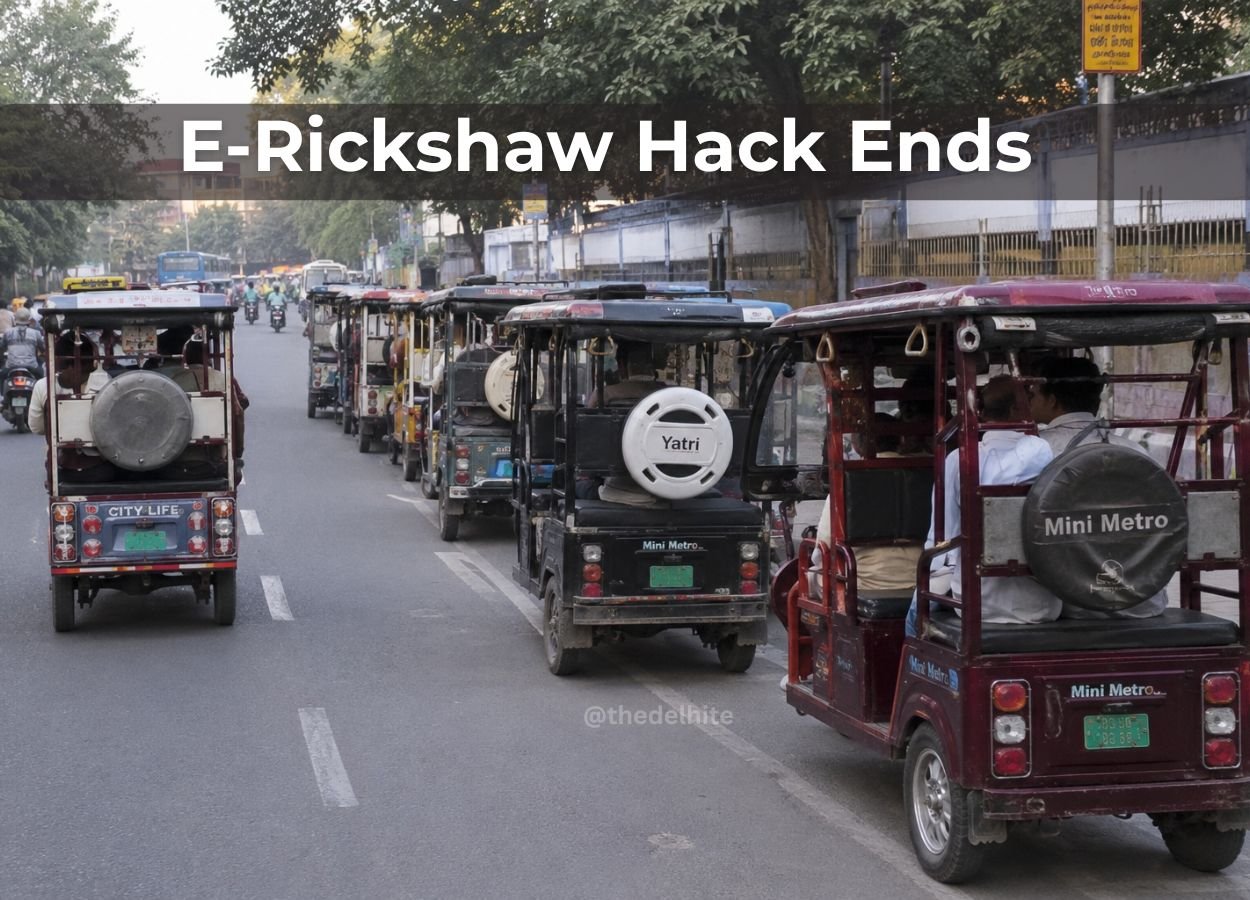
Delhi’s e-rickshaw drivers are returning to their normal operations slowly after weeks of disturbance in their work as caused by some security flaws which allows some vehicles to switch off remotely through some mobile applications.
This issue has affected many lithium ion battery powered e rickshaws that are fitted with Bluetooth enabled Battery Management Systems(BMS). These applications are designed to check the overall performance of the battery, including charging, voltages, temperature, and health of the vehicle. However, there are many low-cost battery units that lacks password protection or continue to use default login credentials, making them sensitive to unauthorised bluetooth connections.
As a result some unknown people are able to connect nearby e-rickshaws by using battery management apps and then they remotely switch off the vehicles. The vehicles mostly switch off when the drivers carrying passengers, it causes them financial loses, inconvenience, and safety concerns.
A forty-five-year-old e-rickshaw driver Peshkar, who goes mostly between Moti Nagar and Inderlok, said he had been anxious whenever his vehicle slowed down in traffic. His concerns eased after the battery manufacturer installed a security code on his battery free of cost, preventing unauthorized access.
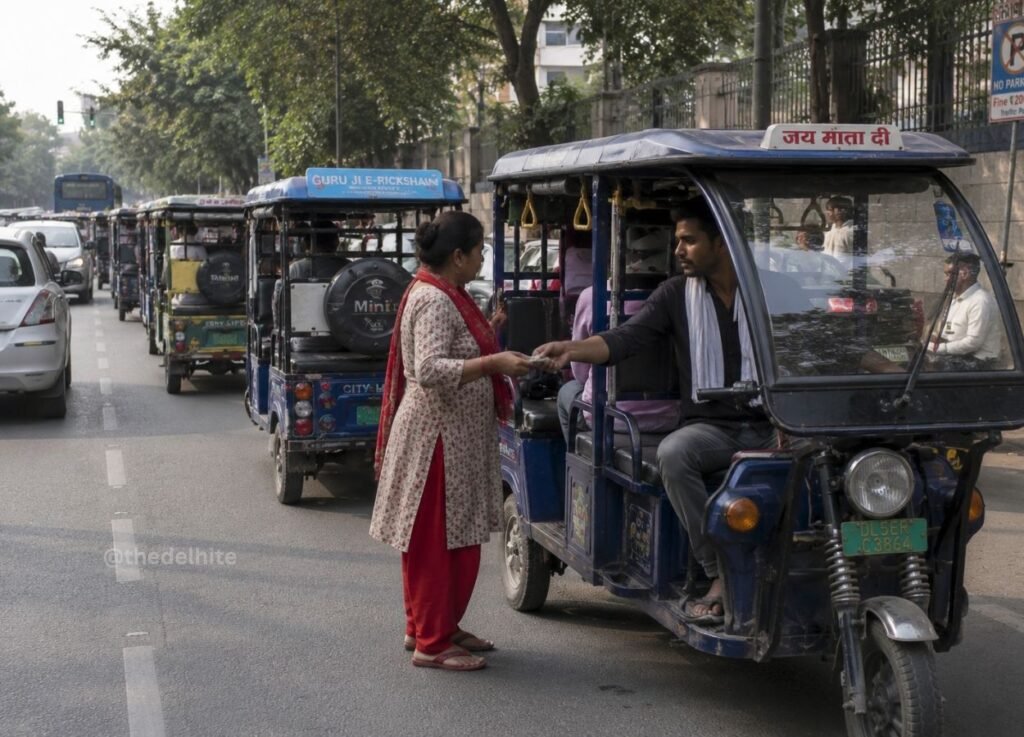
Another driver, Ranjeet, recalled his vehicle stopping unexpectedly while carrying four passengers near Mundka Mor. Despite having sufficient battery charge, his e-rickshaw refused to start, forcing him to refund the fare and spending several hours searching for some assistance. After a mechanic secured the battery by locking its BMS, he has not experienced any further problems.
Following multiple complaints, manufacturers introduced several measures to address the issue. They blocked vulnerable battery management applications, created secure company-owned apps for authorised access, installed password protection on affected batteries, and established helplines to assist stranded drivers with restarting their vehicles.
According to industry representatives, the apps involved were originally developed as legitimate diagnostic tools for battery servicing. However, weak security settings in some battery management systems allowed them to be misused. Not all e-rickshaws were affected, as many still operate on lead-acid batteries or use battery systems with stronger security measures.
Most drivers now report that the incidents have stopped and business has returned to normal. While a few isolated cases have been reported, the introduction of improved security features has significantly reduced the risk of unauthorised access, restoring confidence among Delhi’s large community of e-rickshaw drivers.